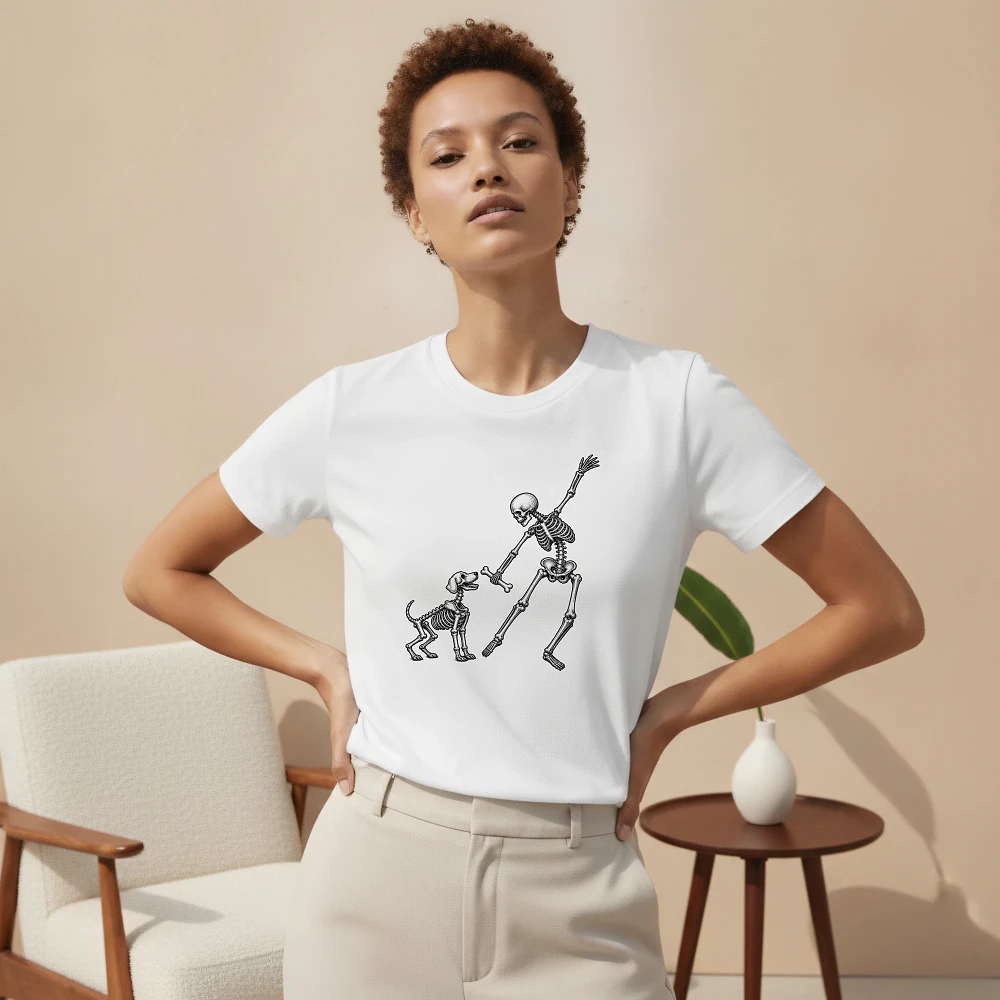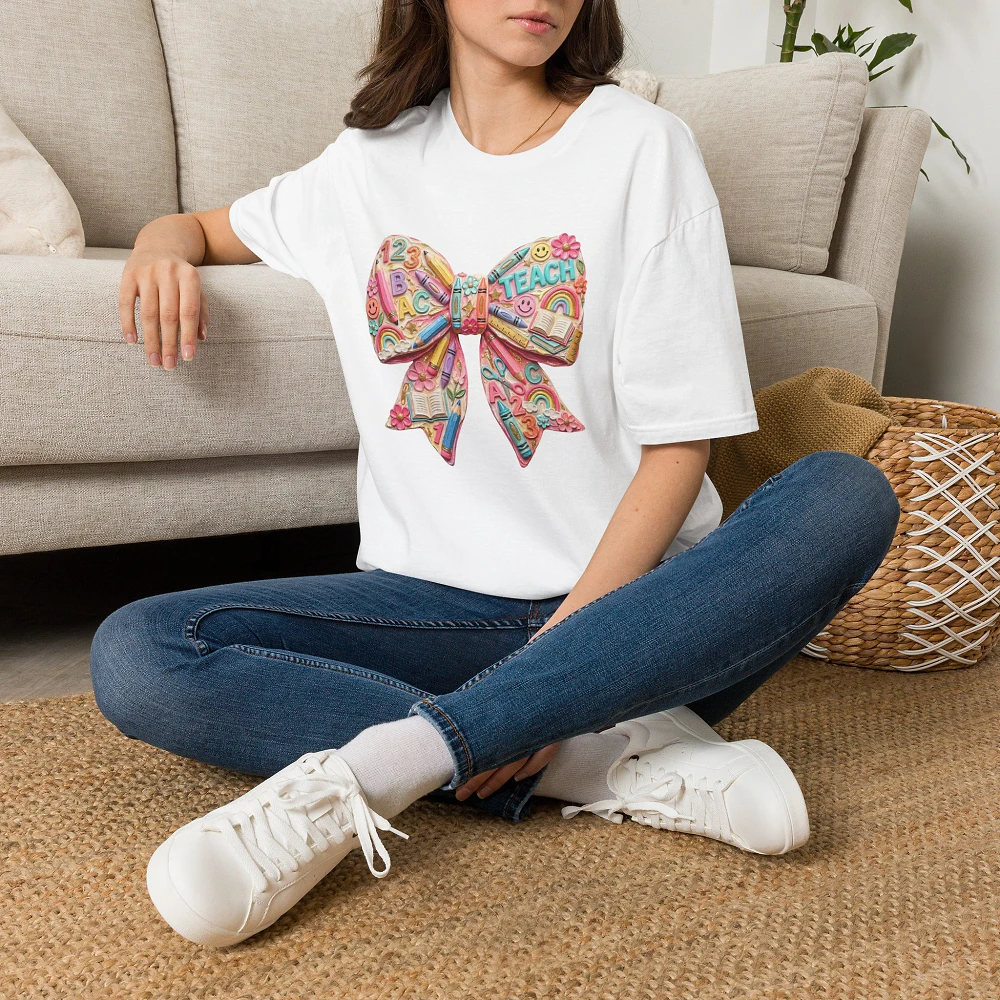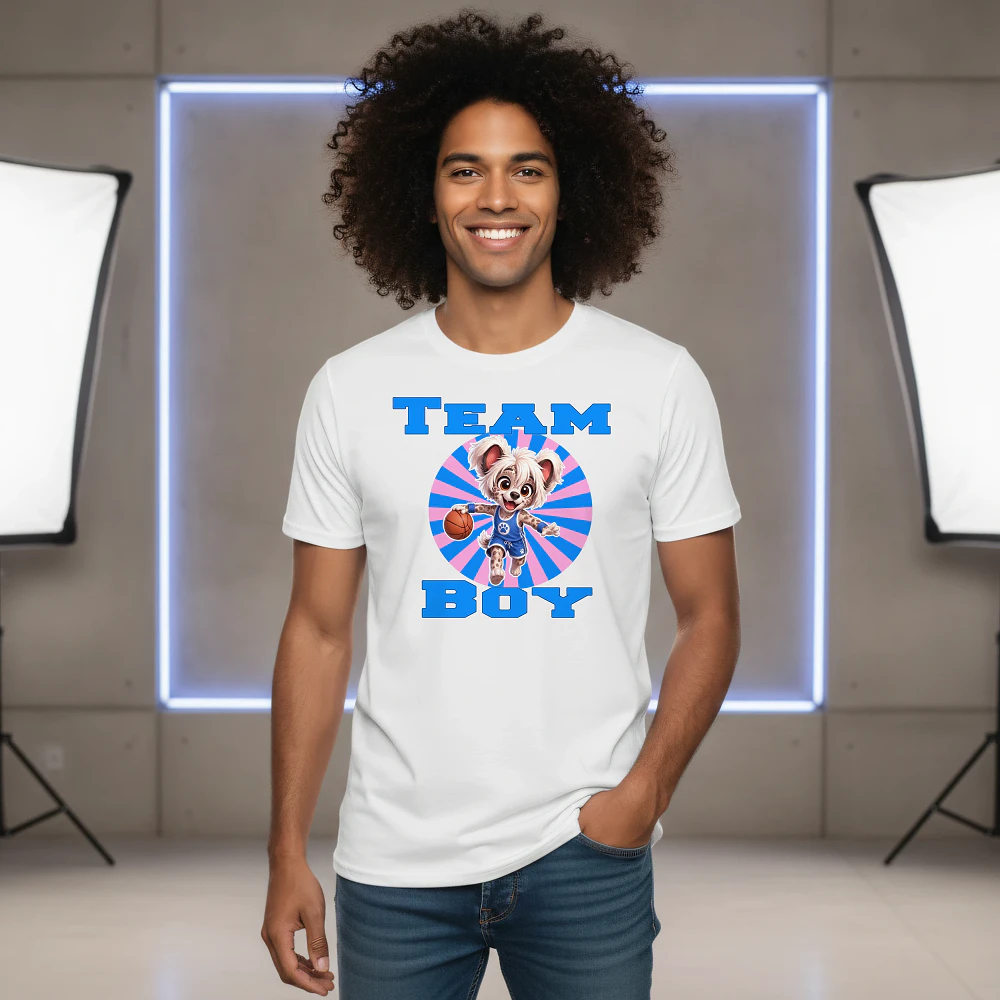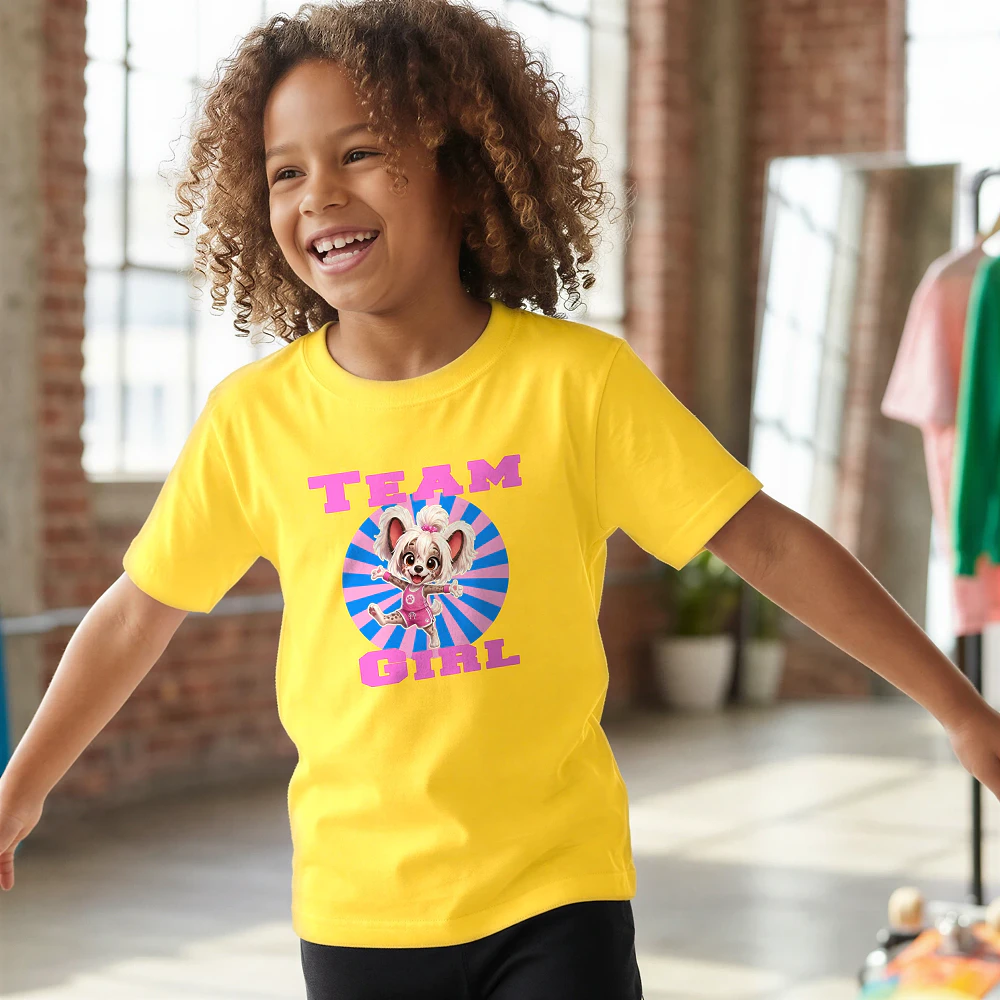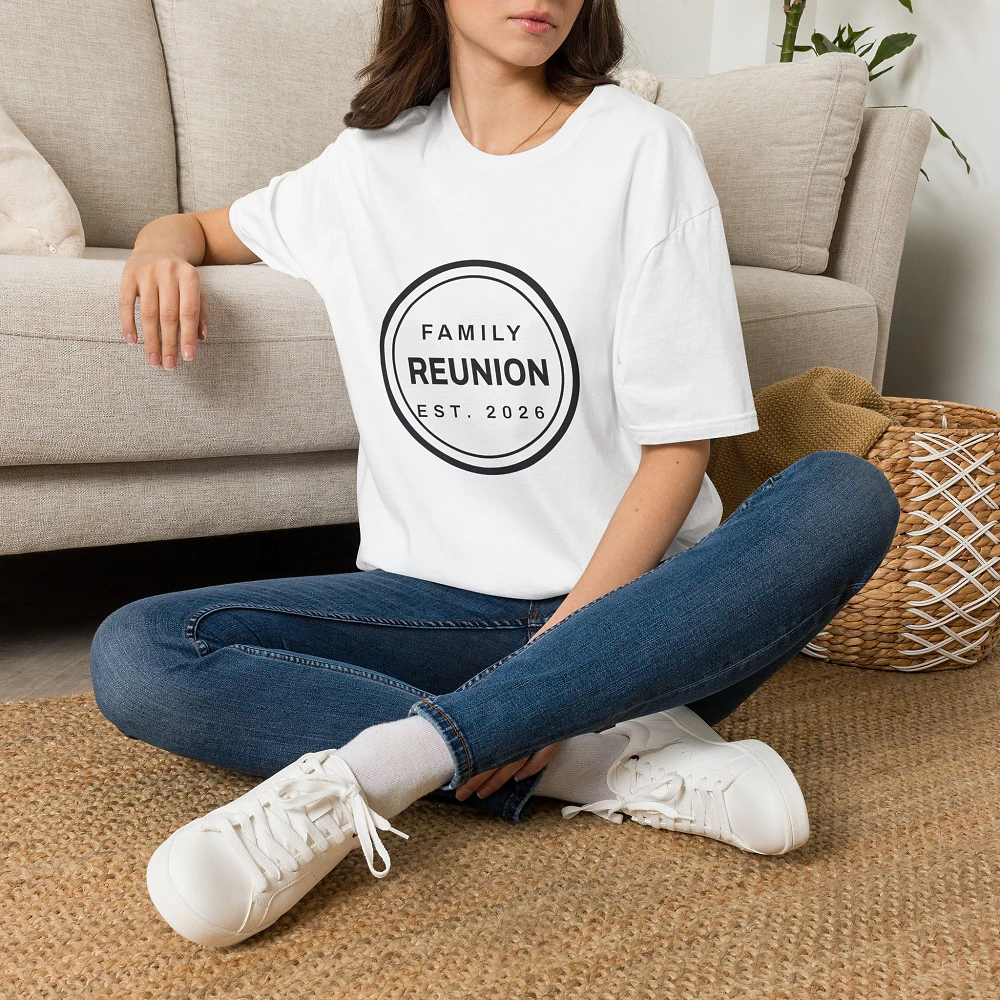
A group shirt should create one less thing to manage, not another spreadsheet full of missing sizes and “I thought someone else ordered mine” messages. The best group order shirts give everyone a shared look while leaving room for real-life differences: preferred fits, youth sizes, hoodie people, T-shirt people, and the friend who always joins the trip two days late.
Whether you are planning a family reunion, company volunteer day, school club event, church retreat, wedding weekend, or birthday crew, the goal is simple: make the group feel connected without making one organizer chase every detail.
Start with the moment, not the shirt
The shirt matters because of what it represents. It might carry a family nickname that has lasted three generations, a camp theme, a team slogan, a wedding-weekend phrase, or an inside joke that only makes sense to your group. Start there.
A strong group design usually has one clear focal point. That could be a short phrase, a simple illustration, a logo you own, a location and date, or a photo with enough contrast to print clearly. Trying to put every name, role, sponsor, quote, and memory on the front can turn a fun shirt into a bulletin board.
Think about where people will wear it after the event, too. A reunion design that feels like a keepsake may be different from a staff shirt that needs to look polished every week. For a bachelorette party, loud and playful may be exactly right. For a church volunteer team or school club, a clean design with readable type usually works better.
If all you have is a phrase scribbled in a notes app, that is enough to begin. You do not need to arrive with professional artwork. Coolprez can help turn an idea, sketch, photo, or logo into finished artwork, with a first draft typically ready in 2 business days and 2 rounds of changes included so the group can get it right before printing.
Decide what needs to match
Matching does not have to mean identical in every way. Your group might share the same artwork but choose different garment styles and sizes. That is often the most practical choice when adults, kids, and people with different comfort preferences are involved.
A family reunion, for example, may work best with the same front design across adult T-shirts, youth shirts, toddler apparel, and baby clothing. A company group may prefer one logo and one color family, with staff choosing between T-shirts, crew sweatshirts, or hoodies based on their role and the weather.
Keeping the artwork and print placement consistent gives the group a unified look. Letting people choose the garment that works for them makes the shirts more likely to be worn again. That is a better outcome than forcing everyone into one style just because it was easier to count.
Color is the main trade-off. One garment color looks especially coordinated in photos and makes ordering simpler. A small selection of approved colors gives people more choice but can make the final group look less uniform. If event photos are the priority, choose one color. If comfort and repeat wear matter more, offer a few colors that all work with the design.
Make the design readable from a few feet away
The most memorable group shirts are rarely the busiest. Use high-contrast colors, avoid tiny type, and give the main message room to breathe. If the design includes a date or location, make that supporting information smaller than the phrase people should notice first.
Photos can work beautifully, especially for memorial gatherings, milestone birthdays, and family celebrations. Choose a clear image with good lighting and avoid crowding it with too much text. A human artwork check before printing helps catch issues that can be hard to spot on a phone screen.
Choose the payment plan before sharing the order
The practical question behind every group order is not “What size are you?” It is “Who is paying?” Decide that early, then make the process match your event.
When each person is responsible for their own shirt, a shared group order link is the easiest route. Everyone opens the same design, picks their own size and product, enters their own shipping information, and pays for their own item. No more collecting money through a group chat. No more holding a list of sizes that changes every hour.
This option works especially well for reunions, clubs, friend trips, school parents, and large event groups where participants live in different places. Because each order is shipped directly to customers in the United States or Canada, people can join without needing to meet up for a handoff.
If the organizer, company, or family host is covering the shirts, one person can pay for the full order instead. That gives you tighter control over colors, garments, and quantities. It can be the right choice when shirts are part of an employee uniform, a hosted event, or a surprise gift.
There is no minimum order, so the plan does not fall apart if you need one extra shirt, a replacement size before production, or a single matching item for a new team member. Order one piece or organize a crowd. The process should fit the group, not the other way around.
Set a real deadline, then build in breathing room
Every organizer knows the late responder. Set an order deadline that is earlier than the date you actually need the shirts. That gives people time to choose their fit, gives the artwork a final review, and lets you see shipping details at checkout before anyone commits.
Your message can be simple: “Choose your item and place your order by Friday so we can all wear them at the reunion.” Include the event date, the approved design, and a reminder to check the size guide before ordering. The fewer decisions people have to make, the faster they act.
Do not guess at sizing, especially if you are ordering for someone else. Different garment styles can fit differently, and a wrong-size item is not the same as a printing mistake. Encourage everyone to review product sizing carefully before checkout. If you are paying for the group, collect size confirmations in writing rather than relying on memory.
For events with kids, leave a little room for growth and comfort. For active volunteer days or outdoor events, consider whether lightweight shirts, layers, or caps make more sense than a single all-purpose garment. The best product depends on the season, activity, and who will be wearing it.
Keep artwork permissions clean
The easiest designs to print are the ones your group created or has permission to use. Your own logo, original illustration, event phrase, family photo, or business artwork are all natural starting points. If someone sends a design file, make sure it belongs to the group or that they have approval to use it.
This is not paperwork for paperwork’s sake. It protects the people organizing the order and helps keep the focus on the story your group actually shares. A shirt built around your own joke, mission, or memory will feel more personal anyway.
Before printing, artwork is reviewed by a person, not sent straight through without a second look. If an item arrives misprinted or damaged, it can be reprinted or refunded. That is the kind of backup an organizer needs when shirts are tied to a date that matters.
Give people one clear next step
A group order only becomes complicated when the instructions are scattered. Put the design, deadline, and ordering method in one message. Then send the same message wherever your group actually pays attention: text thread, email, parent portal, team chat, or event page.
You do not need a perfect plan to make something people will love wearing. Start with the phrase, photo, or idea that makes your people smile. Give them an easy way to choose their own fit. Then let the shirts do what they are supposed to do: make a group feel like a group.
Designs to start from