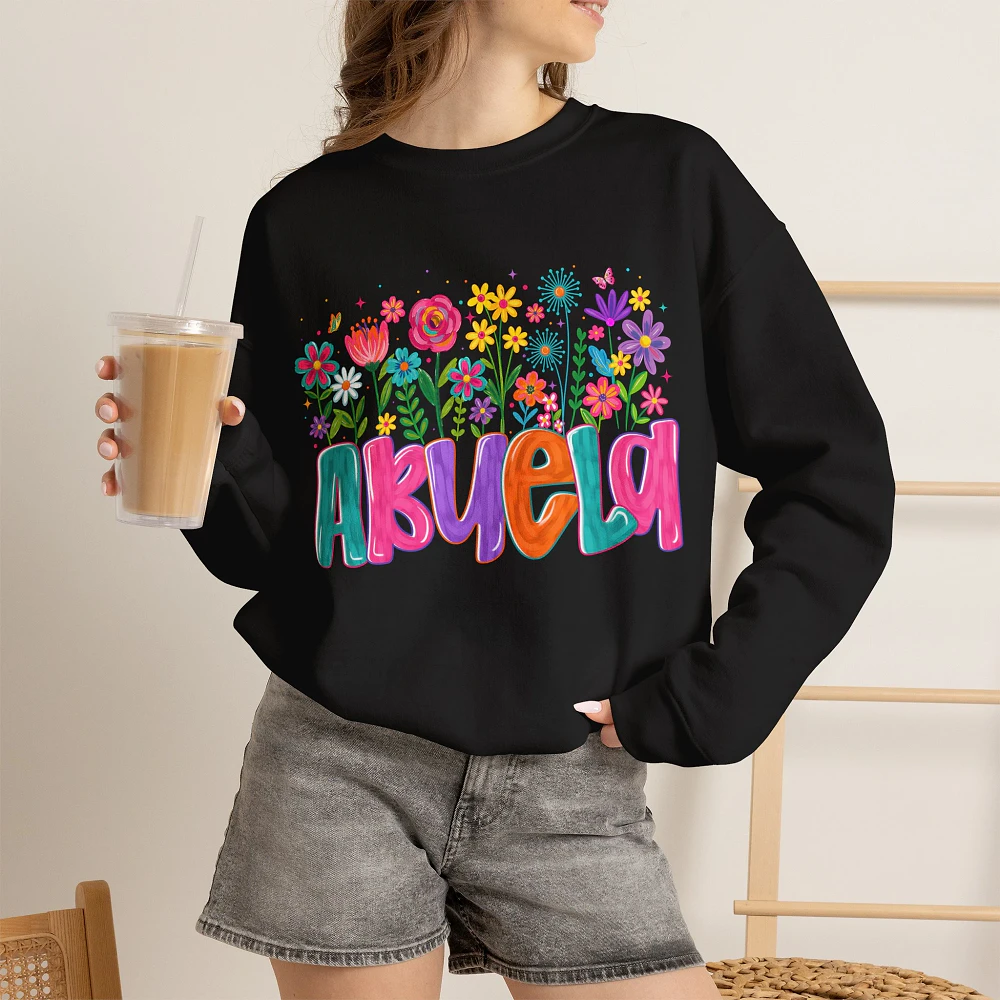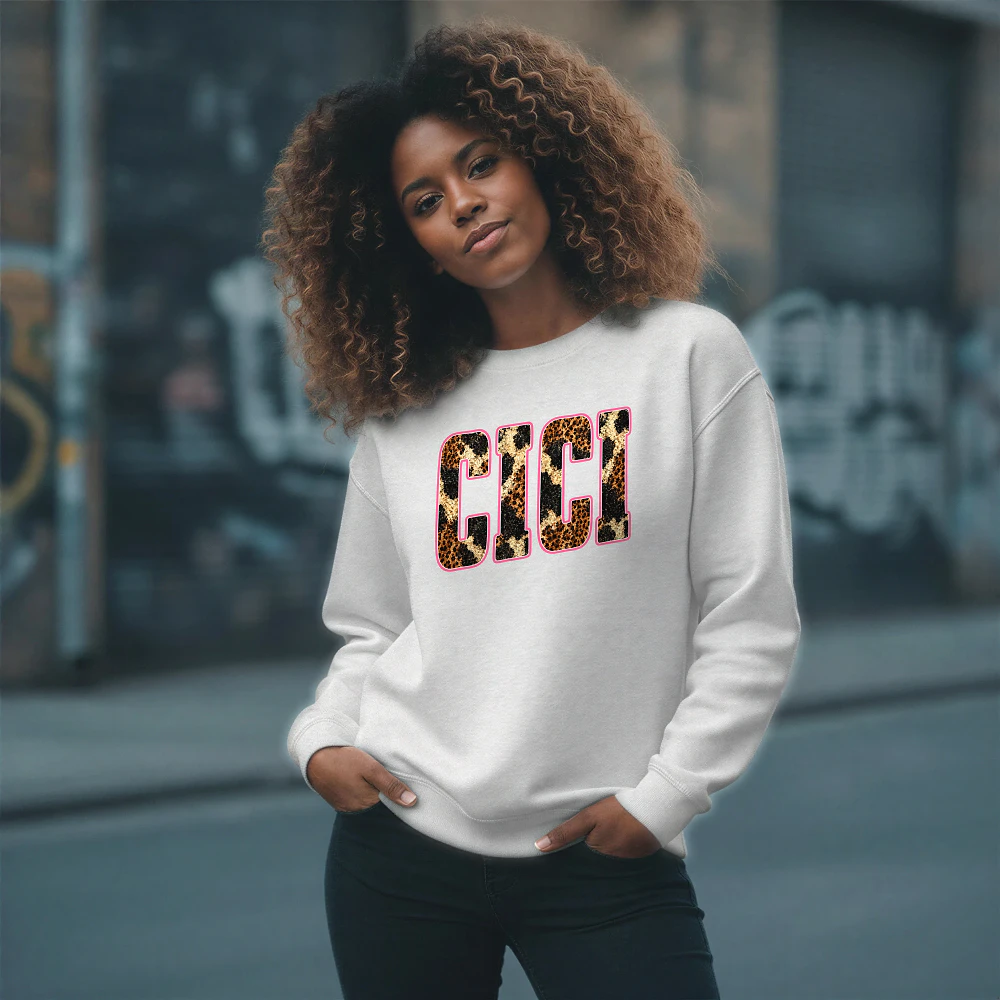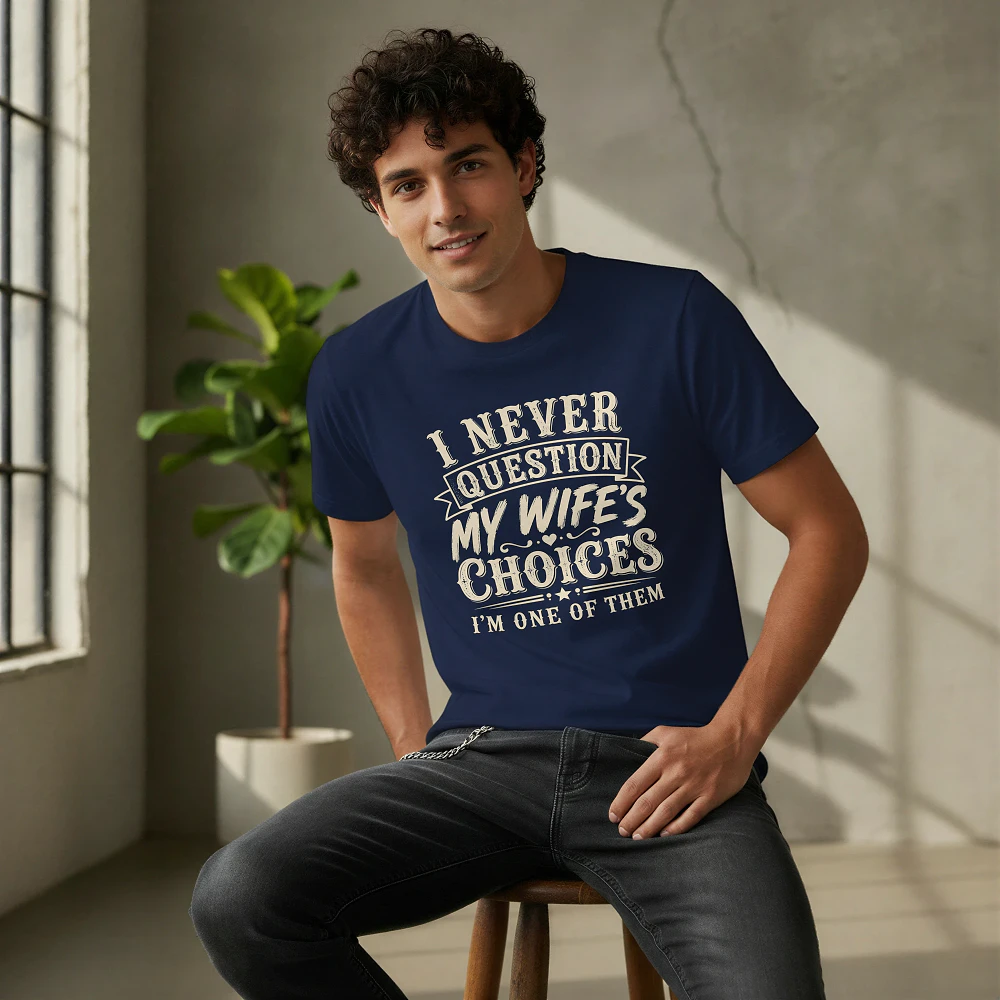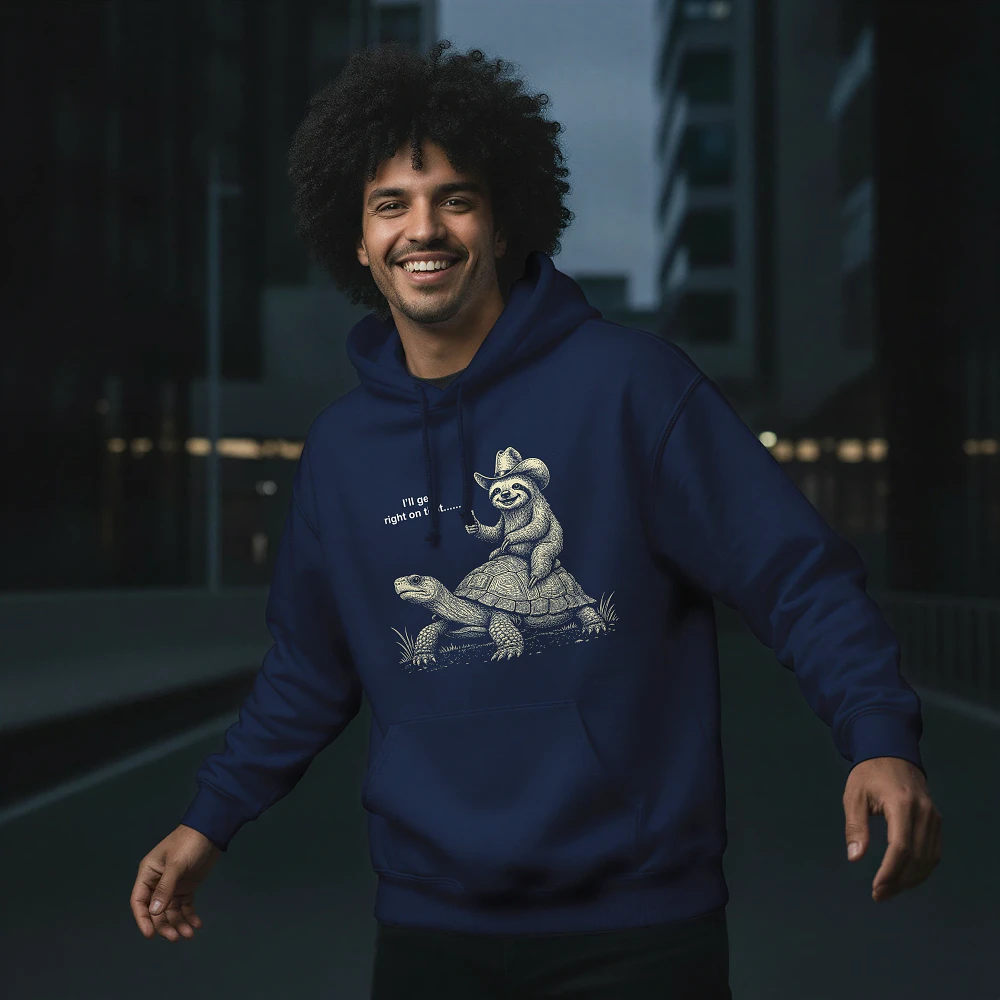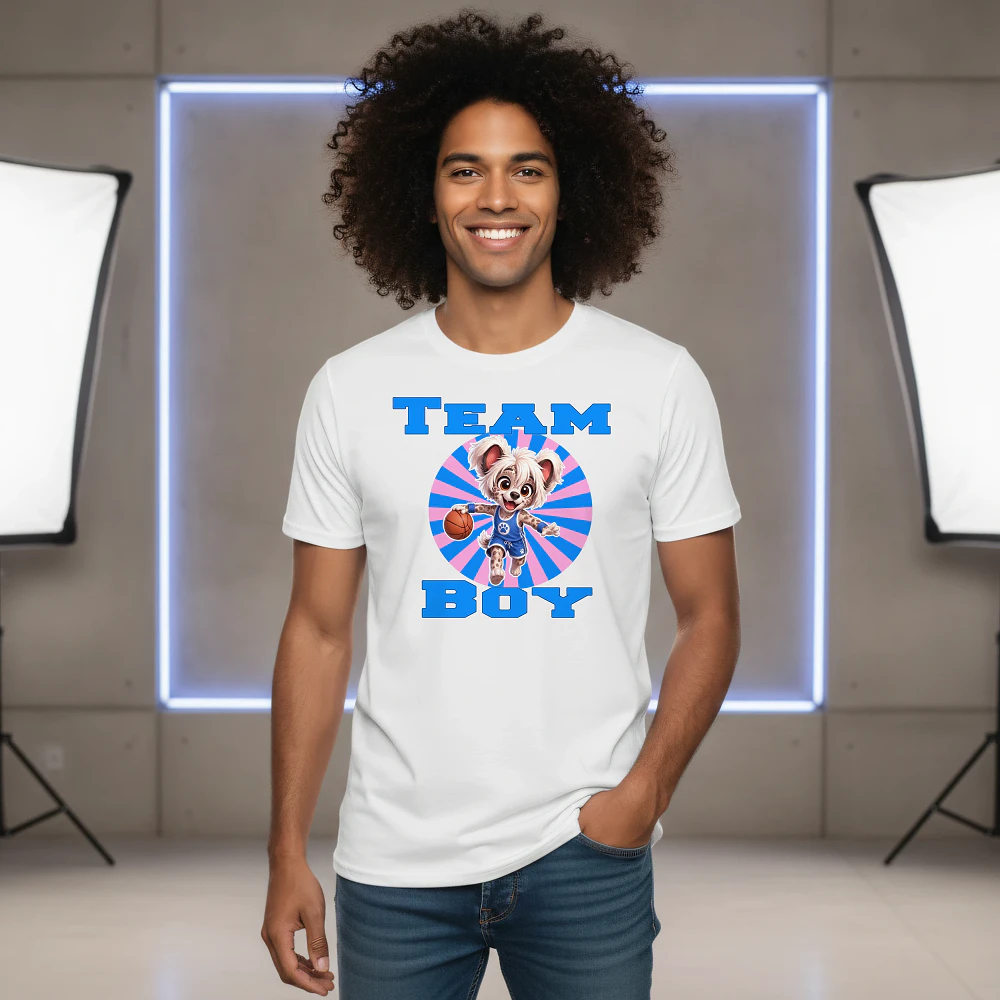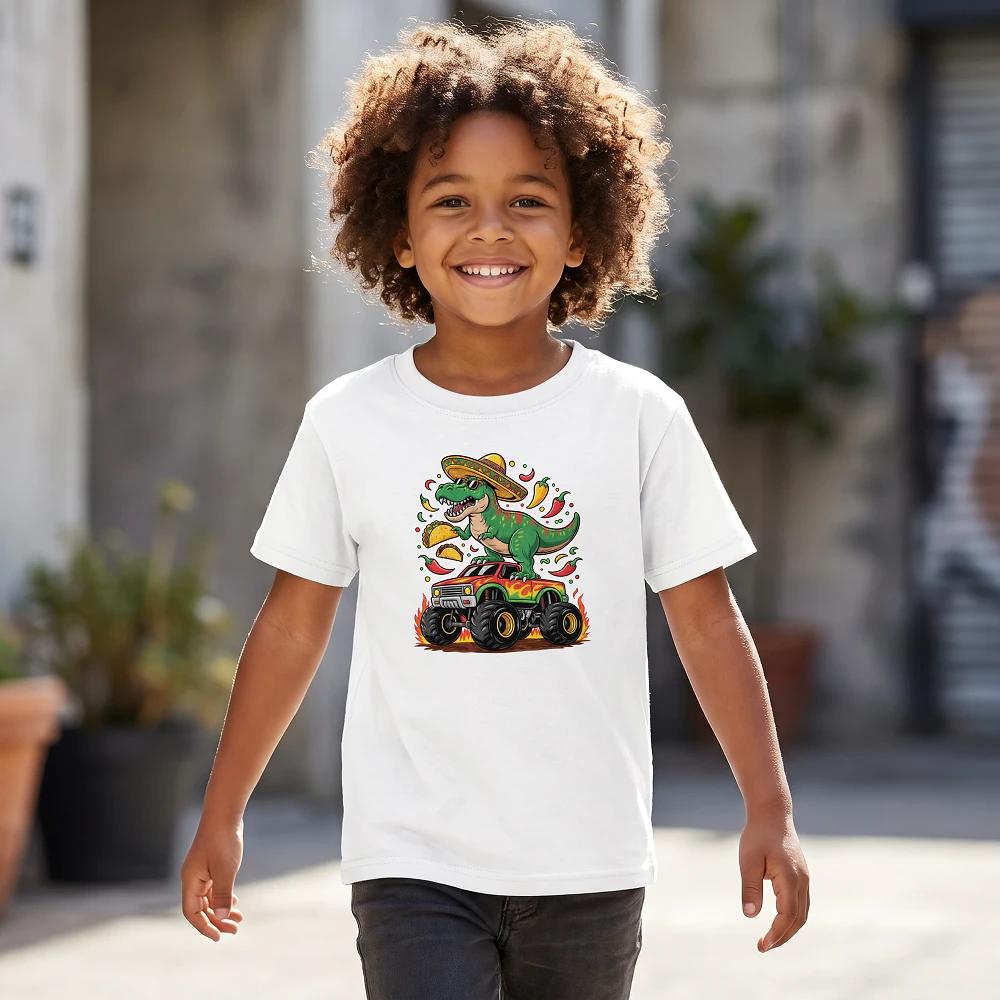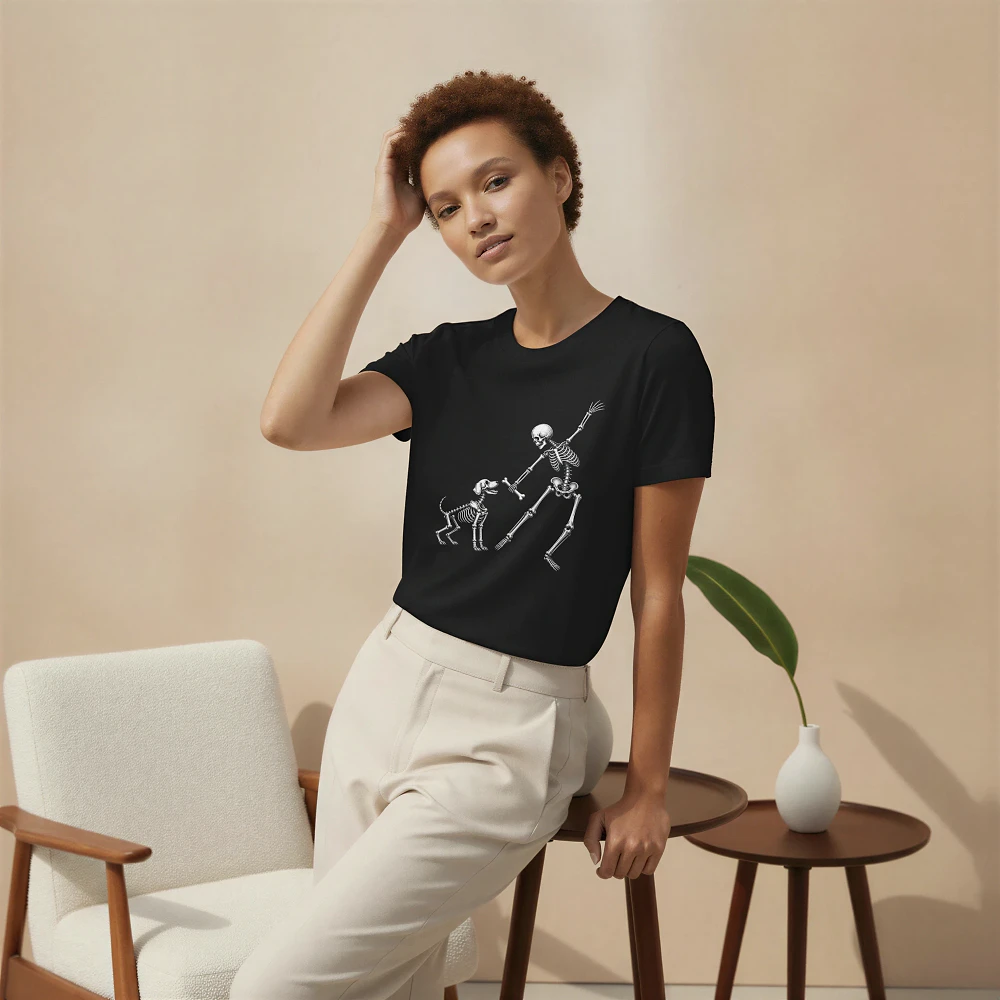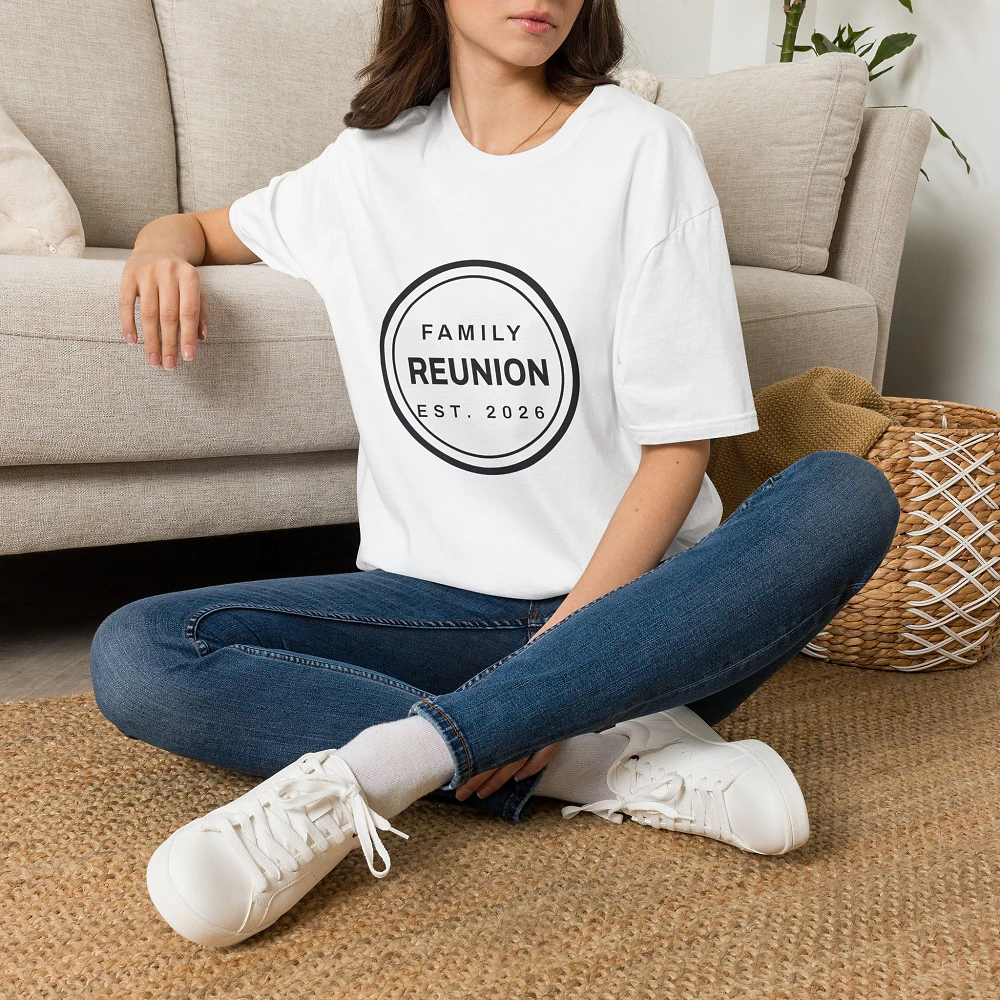
A shirt can do more than match an outfit. It can identify the birthday crew at brunch, make a family reunion photo feel like a real tradition, give new staff a polished look, or turn a tiny inside joke into the thing everyone remembers. Custom t shirts work best when they feel like they belong to the people wearing them - not like a generic design with names squeezed in at the end.
The good news: you do not need to be a graphic designer, place a huge order, or collect everyone’s size in a chaotic group chat to make that happen. Start with the moment, then build the shirt around it.
Start With the Reason People Will Wear It
The strongest shirt ideas usually begin with one clear purpose. Are you planning a girls’ trip? Celebrating a 70th birthday? Outfitting a volunteer crew? Welcoming a new baby? The occasion helps answer the design questions before you get stuck choosing fonts and colors.
For a one-day event, go bold. A funny phrase, a date, and a high-contrast graphic can make a shirt feel instantly photo-ready. For a team, church group, or business, aim for something people will want to wear again after the event. A clean logo placement, an easy-to-read message, and a versatile garment color tend to win there.
It also helps to think about the wearer. Kids’ shirts need designs that stay clear at a smaller size. A family reunion may need a broad size range and styles that work for every generation. Staff apparel should match the setting - a dark tee might make sense for a busy restaurant, while a lightweight shirt may be better for an outdoor service crew.
The goal is not to make a shirt for everyone. It is to make a shirt that makes your people say, “Yep, that’s us.”
Choose a Custom T Shirt Path That Fits Your Starting Point
There is no single right way to create custom t shirts. It depends on what you already have and how finished it is.
If you found a ready-made design that is almost perfect, personalize it with names, dates, locations, or your group’s phrase. This is the fast path when you want a polished look without building artwork from scratch.
If you have a logo, photo, drawing, or completed design file, upload it. A clean, high-resolution file gives the printer more to work with, but a file does not have to be perfect to be worth sharing. A good artwork review can catch issues before they become a blurry print or tiny unreadable text.
And if all you have is an idea - “retro camp shirt, but for our annual cousin weekend” - that is enough to begin. Share the phrase, mood, colors, and any reference images. A design team can turn the rough concept into artwork you can actually approve before it goes on a garment. At Coolprez, custom design requests receive a first draft within 2 business days, so the idea does not sit in your notes app for weeks.
Design for the Shirt, Not Just the Screen
A design can look great on a phone and still need adjustment for fabric. Shirts move. They fold. They are viewed from across a room. That means clarity beats clutter almost every time.
Keep the main message large enough to read quickly. If your design includes names, dates, or a long list of participants, give those details a supporting role rather than making them compete with the headline. A reunion shirt can say “The Martinez Family Reunion” on the front and place the city and year beneath it in smaller type. It does not need every family branch on the chest.
Color choice matters, too. Black ink on a dark navy shirt may look subtle online but disappear in real life. White ink on a light gray shirt can have the same problem. Choose contrast that lets the design do its job, especially for event shirts where photos are part of the point.
Photos require extra care. Use the highest-quality image you have, avoid screenshots when possible, and make sure the subject is not too dark or heavily filtered. A slightly imperfect family photo can still make a meaningful shirt, but a human review helps set realistic expectations before printing.
Keep Placement Practical
Center chest is a reliable choice for most designs because it works across sizes and styles. A left-chest design feels more understated and professional, especially for business uniforms or clubs. Large back prints are great for team names, sponsor lists, or an event design people should spot from a distance.
There is a trade-off. The more print areas and colors you add, the more complex the shirt can become. If your idea is already busy, let one placement carry the story. Simple designs often get worn more.
Pick the Garment Around the Moment
Not every custom apparel order needs the same shirt. A soft everyday tee makes sense for a bachelorette weekend or graduation gift. A heavier cotton tee may suit a work crew or charity event. Hoodies and crew sweatshirts are a better fit for cooler weather, school spirit, or something your group will keep wearing long after the date passes.
Fabric feel, fit, and color are personal, so give people choices when your order includes a mix of ages or preferences. The organizer may love a bright color, while someone else may be more likely to wear the same design on black, white, or heather gray. Offering a few compatible options can increase participation without making the design feel scattered.
For businesses and organizations, consistency matters more than having every garment match exactly. Your logo, print colors, and placement can stay aligned across tees, hoodies, caps, and totes. That gives staff and volunteers a connected look while allowing each person to choose what works for them.
Make Group Ordering Easier Than a Spreadsheet
The hardest part of group apparel is rarely the design. It is collecting sizes, chasing payments, checking spelling, and finding out three people changed their minds after you placed the order.
A group-order link fixes much of that. Instead of one organizer handling every detail, each participant can choose their own size and product, see the design, and pay directly when that fits the plan. No more chasing sizes in a group chat. No more decoding a text that says, “I think I’m a medium unless it runs small.”
This setup is especially useful for reunions, schools, church events, sports teams, and company programs where people may want different garment styles. One person can still coordinate the design and deadline, while the group handles their own selections.
If you prefer to pay for everyone as one order, that works too. The key is setting a clear deadline before you announce the shirts. Give people enough time to order, but not so much time that the event sneaks up on production and shipping.
Give Yourself Room for the Real Timeline
Custom apparel is made after purchase, which keeps you from guessing sizes or storing boxes of extras. It also means last-minute planning can limit your options. Start early enough to allow time for artwork, approval, production, shipping, and the occasional person who remembers the event only after seeing everyone else’s shirt.
For custom artwork, build in time for a first draft and revisions. Two thoughtful rounds of feedback are far better than ten scattered messages from different people. Choose one decision-maker or a small approval group, collect comments in one place, and be specific. “Make the family name bigger” is useful. “Can it pop more?” gives a designer much less to work with.
Before checkout, double-check names, dates, spelling, garment colors, and delivery details. Those small details are what turn a fun idea into a shirt people keep.
Make It Worth Wearing Again
The best custom shirt does not need an explanation every time someone sees it. It carries a memory: the annual trip, the first season, the fundraiser that surprised everyone, the joke only your family understands.
Choose the idea that feels most like your group, keep the design clear, and let each person get the fit they will actually wear. The moment may be one weekend. The shirt can keep the story going.
Designs to start from